The DAABON Agropalma acquisition is complete. On June 17, 2026, DAABON Group finalized its purchase of 100% of Agropalma’s operations in Pará, Brazil, making DAABON the largest sustainable palm oil producer in the Americas. The deal brings 107,000 hectares in Pará into the group, including roughly 39,000 hectares of planted palm, six extraction plants in Tailândia, a refinery in Belém, and a dedicated export terminal.
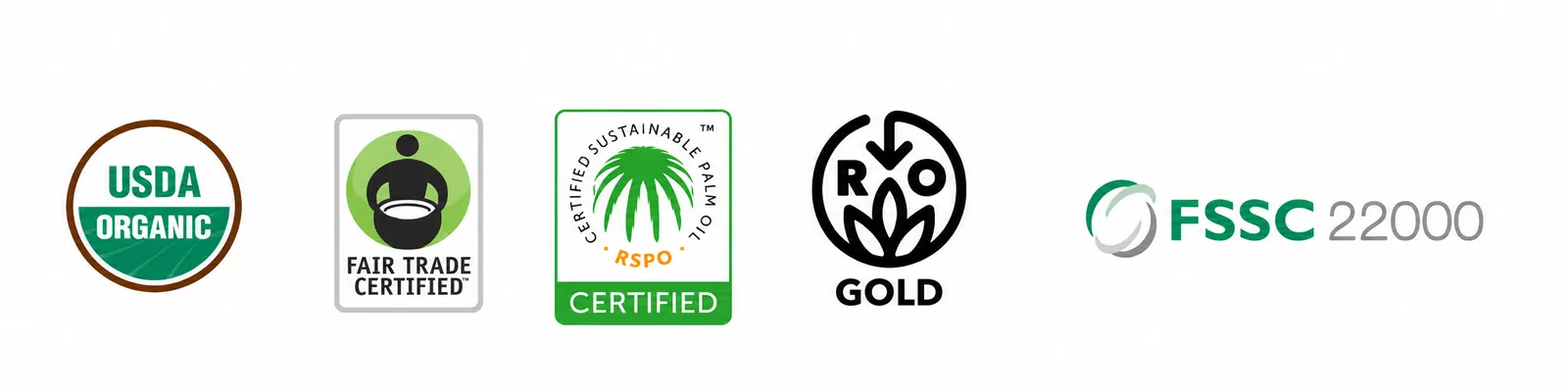
The result is a combined Colombia-and-Brazil footprint no Southeast Asia–concentrated competitor can match. DAABON now sources sustainable palm oil across two Latin American origins, backed by a certification record that begins with USDA Organic in 1992 and runs through Fair Trade USA, RSPO, and Gold-level Regenerative Organic Certified (ROC™).
For North American buyers, this changes the supply math. You gain a Western Hemisphere supplier with expanded capacity, dual-origin sourcing across Colombia and Brazil, and a certification depth built over three decades. The sections below break down what that means for your procurement, formulation, and sustainability teams.
What Changed: The DAABON-Agropalma Deal in Concrete Terms
Here is what the acquisition actually transfers, stated plainly.
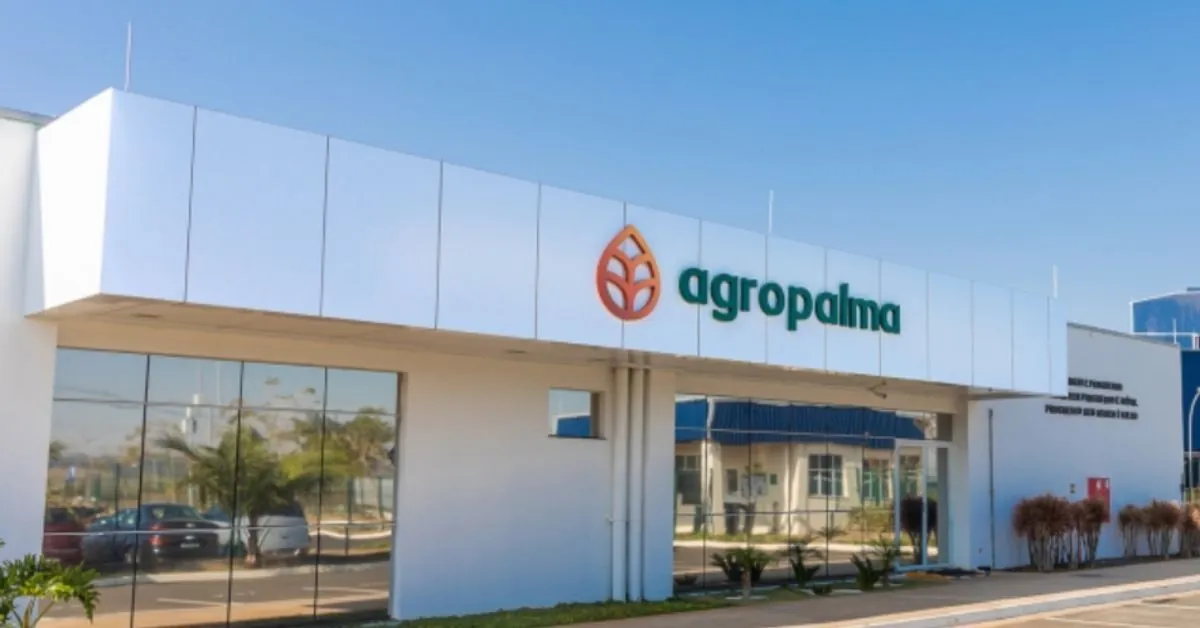
Scope of the transactionThe deal covers the entirety of Agropalma’s assets in Pará: planted areas, extraction facilities, and the refinery in Belém that processes and refines palm oil. Agropalma is one of Brazil’s leading producers of palm oil and derivatives, running a vertically integrated platform that spans cultivation, extraction, and refining for both domestic and international markets.
Footprint — Agropalma-published figuresThe deal brings 107,000 hectares of land in Pará into the DAABON Group. That total includes 39,000 hectares of planted palm and 64,000 hectares of protected forest reserve — meaning more of the acquired land sits under conservation than under production.
InfrastructureSix extraction plants in Tailândia, one refinery in Belém, and one export terminal. These sit alongside DAABON’s existing Colombian operations, anchored around Santa Marta in the Magdalena department.
CommunityThe acquisition preserves Agropalma’s existing work with family farmers and local communities across Pará, which DAABON has committed to expanding.
Ownership and brandThe Agropalma name is preserved. DAABON acquired the Pará operations from APAR (Alfa Participações, Administração e Representações), the Faria family’s holding company.
TimelineThe agreement was reached on March 3, 2026, and the acquisition closed on June 17, 2026.
64,000 of 107,000 haare held as protected forest reserve — conservation land outweighs planted palm by roughly three to two. With Brazil added, DAABON Group now operates on four continents: Colombia, Brazil, Scotland (through Soapworks in Glasgow), and Australia (a vegetable oil refinery in Melbourne).
Why Brazil? The Pará Thesis Behind DAABON’s Move
DAABON’s entry into Brazil rests on a clear bet about where sustainable palm oil can grow next. As Giancarlo Dávila, CEO of Agropalma, put it: the integration of Agropalma into the DAABON Group is an opportunity to strengthen the responsible development of the palm oil sector in Brazil, bringing the group’s expertise in agriculture, industrialization, and sustainable development to the country.
The move marks DAABON’s entry into the Brazilian market and a strategic expansion of its sustainable palm platform across the Americas. In announcing the deal, the company set out the direction plainly: bring Agropalma to its strongest position, and elevate the combined organization to a new benchmark for the industry.
Pará offers the land, climate, and established plantation base to expand supply without pushing into new frontier forest. DAABON has committed to investing in the productivity of the palm it acquired, building on Agropalma’s existing operations rather than starting from scratch, and to working alongside local talent in Pará to build a competitive business for the long term.
The environmental logic matters as much as the agronomic one. The Pará holding pairs planted palm with a larger block of protected forest reserve — conservation and cultivation on the same land. That model fits DAABON’s own record: in 2023, DAABON became the first palm oil producer in the world to achieve Gold-level Regenerative Organic Certified (ROC™).
For Manuel Alberto Dávila, managing director of DAABON Europe, the fit is cultural as well as operational: Agropalma is a family farming business that shares the group’s values and long-term commitment to sustainable palm oil in Brazil.
That fit is not new. DAABON and Agropalma worked together for decades before ownership changed hands, building a partnership to promote and advance sustainable palm oil production. Agropalma carries a family legacy that mirrors DAABON’s own, alongside deep technical expertise and strong operational foundations. DAABON brings decades of market leadership, customer trust, integrated supply chain management, and a track record in sustainability, traceability, and long-term value creation.
What the DAABON-Agropalma Acquisition Means for US Palm Oil Buyers
The news matters, but the sourcing implications matter more. Here is what your procurement, formulation, and sustainability teams should take from this deal.
Expanded Capacity and Stronger Supply Security
DAABON now runs two large operations in two countries. Its Colombian base spans roughly 30,000 hectares, and the new Pará assets add 107,000 hectares of land with about 39,000 hectares of planted palm. For buyers signing five- to seven-figure annual ingredient contracts, that combined scale strengthens the case for multi-year supply continuity. DAABON USA, based in Miami, remains your US-facing logistics and account anchor.
Dual-Origin Sourcing That Spreads Your Risk
Most of the world’s palm oil comes from Indonesia and Malaysia. That concentration carries real exposure: political, regulatory, ESG, and shipping. A supplier rooted in Colombia and Brazil gives you a Western Hemisphere hedge against all four. Shorter routes to US ports are a practical bonus, trimming lead times against Southeast Asian origin.
Are You Ready for the Regulations Already Moving West?
The EU Deforestation Regulation (EUDR) set the baseline: traceable, deforestation-free sourcing. The UK followed, announcing its own anti-deforestation rules during London Climate Action Week, covering palm oil, soy, cocoa, coffee, and rubber. US guidance is a reasonable next step. DAABON has stated its palm oil already meets or exceeds the traceability, legality, and deforestation-free requirements of both EUDR and the coming UK rules, which positions your supply ahead of US action whenever it arrives.
Does DAABON’s Certification Stack Extend to the Brazil Supply?
DAABON’s existing certification record — built on its Colombian operations — is a sequence of category firsts:
- 1992First palm oil producer to offer USDA certified organic palm oil.
- 2016First palm oil producer certified by Fair Trade USA.
- 2017First RSPO-certified producer in its category.
- 2023First to achieve Gold-level Regenerative Organic Certified (ROC™), globally and in South America.
DAABON has stated it will invest in aligning the newly acquired Agropalma operations to those same standards. Until that alignment is confirmed complete, buyers should treat the certifications above as DAABON’s established Colombian record and request current documentation for any Brazil-origin volume.
Application Fit and a Provenance Story You Can Tell
The Agropalma operations already serve bakery, pastry, cooking, dairy and ice cream, industrial frying, cosmetics, and oleochemicals — with organic formulations and customized solutions on offer. Zoom out, and DAABON Group supplies not just palm oil but bananas, cocoa, coffee, avocados, and limes. For clean-label and personal-care brands — the Pieminister, Dr. Bronner’s, and Soapworks archetype — supplier provenance is part of the product story. A family-owned business run by three generations of the Davila Abondano family since 1914, committed to farming in the right way for people and planet, gives your brand something real to tell.
The Combined Certification and Food Safety Stack
A serious supplier evaluation runs on two tracks. Your sustainability officer reads certification depth; your QA and regulatory reviewers read food-safety systems. The combined DAABON-Agropalma operation is built to answer both in one relationship.
On the sustainability side, DAABON’s record is the series of category firsts outlined above, from USDA Organic through Gold-level ROC™. Behind those labels sits the harder commitment: full traceability to the plantation level, deforestation-free sourcing, no planting on peat, and no clearing of forestland. That is the traceability depth brand-story buyers need — not mass-balance accounting, but supply you can trace to the ground it grew on.
On the food-safety side, the Agropalma operations bring their own stack: FSSC 22000, NBR ISO 22000:2019, and NBR ISO/TS 22002-1:2012. Sustainability certifications alone don’t clear a QA review; these food-safety management standards are what your quality and regulatory teams actually audit against.
| Certification dimension | DAABON (Colombia, held today) | Typical Southeast Asian RSPO-only supplier |
|---|---|---|
| Organic | USDA Organic (first in palm, 1992) | Rarely offered |
| Regenerative | Gold-level ROC™ (first globally, 2023) | Not offered |
| Fair Trade | Fair Trade USA (first in palm, 2016) | Not typical |
| Sustainable palm standard | RSPO certified | RSPO, often Mass Balance |
| Traceability | Full, to plantation level | Often mass-balance |
| Food safety | FSSC 22000, ISO 22000, ISO/TS 22002-1 (Agropalma ops) | Varies by supplier |
| Origin | Colombia + Brazil (Western Hemisphere) | Indonesia / Malaysia |
DAABON has stated it will invest in aligning the Agropalma operations to its sustainability certifications over time. Until that alignment is confirmed, the sustainability certifications above reflect DAABON’s Colombian operations, and the food-safety standards reflect Agropalma’s Brazilian operations.
What Changes for Existing Agropalma Customers
If you already source from Agropalma, the deal raises a fair question: what happens to your supply now?
The early signals point to continuity, not disruption. The Agropalma brand and name carry forward — this is a change of ownership, not a rebrand. As André Gasparini, Agropalma’s Commercial, Marketing and R&D Director, framed it, the completion of the transaction with DAABON ensures the continuity of Agropalma’s historic commitment to quality and socio-environmental responsibility. DAABON has committed to expanding the support and engagement programs Agropalma already runs with family farmers in Brazil, and to investing in the productivity of the palm plantations, with its own certification standards to be aligned over time. DAABON has described the plan as harmonizing the best practices of both organizations: operational excellence, agronomic discipline, industrial efficiency, rigorous compliance, and a culture that respects people and the land. The stated aim is a combined platform that is stronger, more resilient, and better positioned to serve global markets demanding the highest standards of environmental and social responsibility, while actively strengthening family farming in Pará. Those are the moves of a long-term custodian, not a supplier winding an operation down.
For questions specific to your contract — terms, pricing, and supply scheduling — the most reliable answer will come from a direct conversation with the DAABON team.
The Americas as the New Sustainable Palm Oil Region
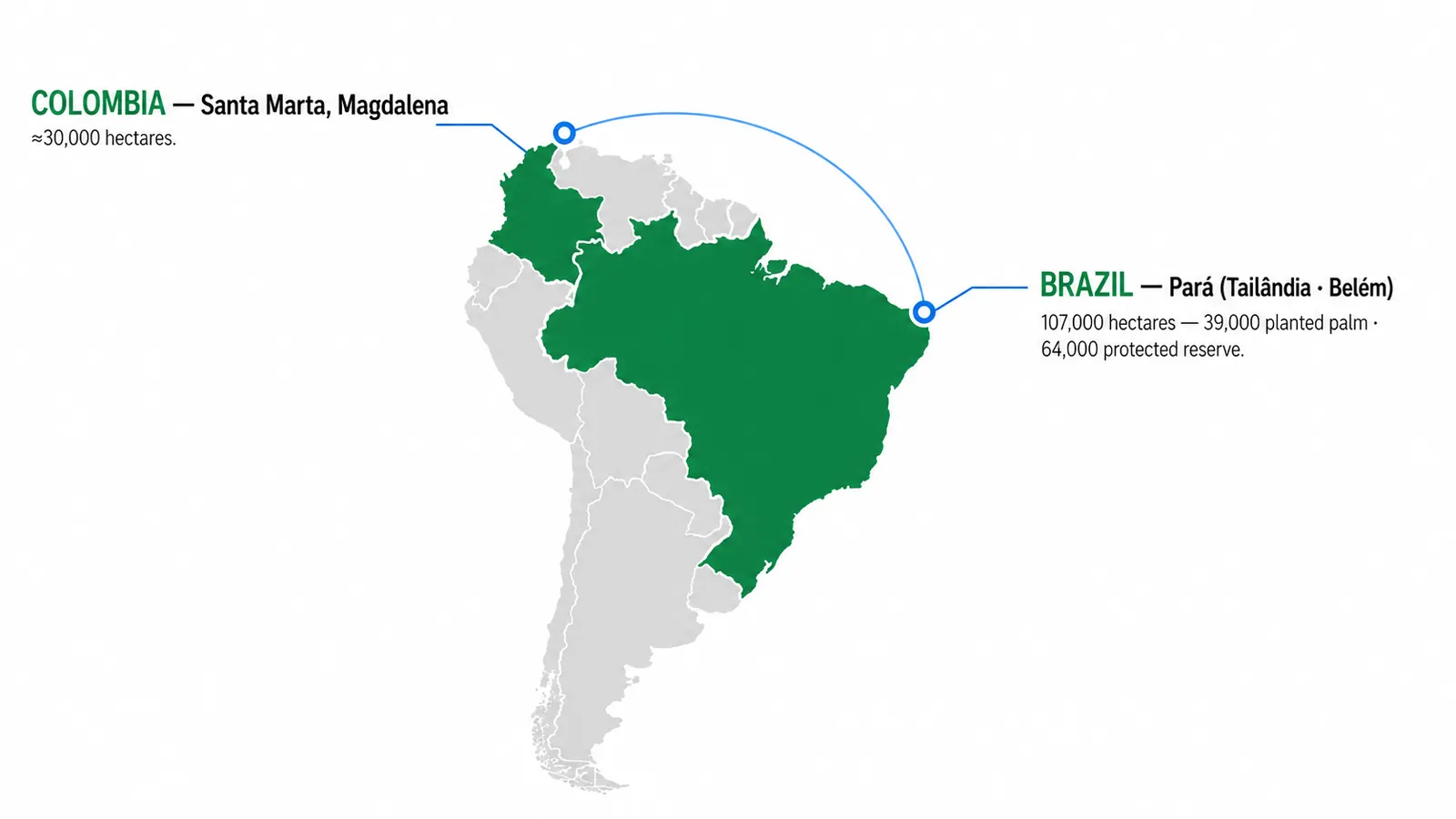
Beyond any single contract, this acquisition reshapes where sustainable palm oil comes from. DAABON now anchors operations across two countries: roughly 30,000 hectares in Colombia alongside 107,000 hectares in Pará, Brazil, of which about 39,000 are planted palm and 64,000 are protected reserve. That is no longer one supplier with an interesting origin story. It is the beginning of a credible Western Hemisphere supply base for sustainability-committed brands.
For North American buyers, a regional alternative to Southeast Asia is worth more than a single vendor relationship. It means hemispheric supply-chain resilience, sourcing rooted in countries closer to your ports, and lower exposure to the political and regulatory volatility that has shadowed the dominant producing region. When the Americas can supply certified, traceable palm oil at scale, your sourcing strategy gains an option it did not have before.
The reach is not regional in the limiting sense. The combined operation serves buyers across the Americas, Europe, the UK, and Asia-Pacific through DAABON’s network of regional offices, from Miami to London, Cologne, Tokyo, and Melbourne. Grown in the Western Hemisphere, supported worldwide.
What the Acquisition Does Not Include: The Limeira Clarification
One point prevents confusion later. The refinery in Limeira (São Paulo) was not part of this acquisition. It now operates as Indústrias Xhara, under APAR Holdings management. Only the Pará operations — the plantation and forest reserve, the six Tailândia extraction plants, and the Belém refinery — carry the Agropalma name into the DAABON Group. If you encounter Limeira referenced in older Agropalma materials, it sits outside this deal.
Talk to DAABON About Your Palm Oil Sourcing
The Agropalma acquisition puts a Western Hemisphere supplier within reach — one with certification depth that runs from cultivation through food safety, held by three generations of family custodianship since 1914. To put that to work, you can request a sample, book a sourcing consultation, or download the latest sustainability report.
Reach DAABON USA in Miami, FL at info@daabonusa.com or (305) 358-7667.
FAQ: DAABON, Agropalma, and US Sustainable Palm Oil Supply
Is DAABON now the largest sustainable palm oil producer in the Americas?
Yes. After completing the Agropalma acquisition on June 17, 2026, DAABON became the largest palm oil producer in the Americas by planted-palm footprint. Given its certification depth — organic, Fair Trade, RSPO, and regenerative — trade coverage describes it more specifically as the largest sustainable palm oil producer in the Americas.
What did the Agropalma acquisition include?
The deal covered 100% of Agropalma’s operations in Pará, Brazil: 107,000 hectares of land, including 39,000 hectares of planted palm and 64,000 hectares of protected forest reserve. It also brought six extraction plants in Tailândia, one refinery in Belém, and one export terminal into the DAABON Group.
What certifications does DAABON hold?
DAABON holds a stack of palm-oil firsts: USDA Organic (1992), Fair Trade USA (2016), RSPO (2017), and Gold-level Regenerative Organic Certified (ROC™) (2023) — the first such certification in palm oil worldwide. It also maintains full traceability to the plantation level.
What palm oil products does DAABON supply to US manufacturers?
DAABON’s published palm oil range includes crude palm oil, RBD palm oil, palm olein, palm stearin (soft, semi-hard, and hard), creamy palm oil in grades 39, 42, and 45, and palm kernel oil — supplied in packaging formats scaled to your volume.
Does the acquisition affect existing Agropalma supply contracts?
The Agropalma brand and operations continue under DAABON’s ownership, and DAABON has signaled continuity rather than disruption. For details specific to your contract — terms, pricing, and scheduling — contact the DAABON team directly for the most current information.
What is DAABON’s commitment to smallholder farmers in Pará?
DAABON has committed to expanding the support and engagement programs Agropalma already runs with family farmers in Brazil. The company has also framed its Pará investment around job creation and strengthened partnerships with local communities across the state, continuing Agropalma’s existing community work.
When was the DAABON-Agropalma transaction completed?
The transaction was completed on June 17, 2026, when DAABON finalized its acquisition of 100% of Agropalma’s Pará operations. The parties had reached their agreement earlier that year, on March 3, 2026.
Sources
The following sources were used to verify the factual claims in this article.
- DAABON press release — “DAABON completes Agropalma acquisition and enters the Brazilian market.” Primary source for the completion date (June 17, 2026), agreement date (March 3, 2026), preservation of the Agropalma brand, the Giancarlo Dávila and André Gasparini statements, the Limeira / Indústrias Xhara / APAR exclusion, the scope of the Pará asset transfer, the strategic-direction and best-practice harmonization statements, and the community, family-farming, and continuity commitments.
- Agropalma — About Us — agropalma.com.br. Source for the footprint figures: 107,000 hectares of land, 39,000 hectares of planted palm, and 64,000 hectares of protected forest reserve.
- DAABON USA — About — daabonusa.com/about. Source for the family ownership since 1914, the Davila Abondano family, and the certification record.
- USDA Organic — USDA Agricultural Marketing Service. Reference for the USDA Organic certification (DAABON first certified 1992).
- Fair Trade USA — fairtradecertified.org. Reference for the Fair Trade USA certification (2016).
- Roundtable on Sustainable Palm Oil (RSPO) — rspo.org. Reference for RSPO certification (2017).
- Regenerative Organic Alliance — regenorganic.org. Reference for Gold-level Regenerative Organic Certified (ROC™), which DAABON achieved in 2023 as a first in palm oil worldwide.
- FSSC 22000 — fssc.com. Reference for the FSSC 22000 food-safety management certification held by the Agropalma operations.
- EU Deforestation Regulation (EUDR) — European Commission. Reference for the EUDR traceability and deforestation-free requirements.
- Trade press coverage — the acquisition was reported by outlets including Innovations Food, Food & Drink Technology, Food Manufacture, The Grocer, and The AgriBiz. These corroborated the transaction details and the “largest producer in the Americas” framing.