Building a resilient, future-proof supply chain requires more than just environmental policies. It demands a deep investment in the people who actively cultivate our global food systems.
Today, women in sustainable agriculture play an essential role in bringing food and personal care products to market. Yet, they often face a severe agricultural gender gap that limits their access to land, training, and leadership roles. Overlooking this vital workforce is not just a social issue. It is a critical blind spot that directly threatens the stability, quality, and future of sustainable palm oil production.
To understand the scale of this opportunity, look at the data. According to the Food and Agriculture Organization (FAO), closing the gender gap in agricultural inputs alone could lift 100 to 150 million people out of hunger. In this article, you will learn how closing this gap creates a powerful ripple effect across the supply chain. Empowering women in sustainable agriculture and palm oil production is not just a moral imperative for gender equality. It is a strategic catalyst that drives environmental innovation, strengthens supply chain resilience, and elevates global industry standards. When you actively support gender inclusion, much like the initiatives empowering the women of Daabon, you do more than check an ESG box. You secure a stronger, more collaborative, and highly innovative future for your business.
What Is the Critical Role of Women in Sustainable Agriculture?
Why Does the Agricultural Gender Gap Threaten Supply Chains?
Women are foundational to global food systems, yet they consistently operate with far fewer resources than their male counterparts. According to the Food and Agriculture Organization (FAO), women face severe disparities in land ownership, financial services, and agricultural training.
Similarly, UN Women data highlights that rural women carry a disproportionate share of unpaid care work while navigating deeply rooted discriminatory norms. These systemic barriers restrict their agricultural output, ultimately threatening the stability of global sourcing.
However, this gap represents a massive opportunity for supply chain optimization. The FAO estimates that providing women with equal access to agricultural inputs could dramatically boost global production.
Closing the gender gap in agricultural inputs alone could lift 100 to 150 million people out of hunger.
For your procurement strategy, supporting this shift translates directly to higher yields, better sustainable palm oil products, and a more resilient supplier network.
How Can Agribusiness Move Beyond Basic ESG Compliance?
Modern agribusiness must shift its focus. Basic, passive inclusion is no longer enough to meet today’s rigorous ESG demands. We must move toward active economic empowerment and leadership.
In a supply chain context, empowering women in agribusiness means creating tangible pathways to leadership. To move beyond the baseline, companies must commit to:
- Ensuring equal wages and protecting traditional land rights.
- Providing advanced technical training and access to modern farming inputs.
- Elevating women into management roles where their decisions shape agricultural practices.
The key takeaway is this: You cannot achieve true sustainability without gender-aware policies. When your suppliers exclude women, your supply chain loses critical perspectives on resource management and climate adaptation.
By actively investing in the people who cultivate our food and championing responsible palm oil production, you build operational resilience from the ground up. It ensures your supply network can withstand environmental shocks, proving that gender equity is a cornerstone of global food security.
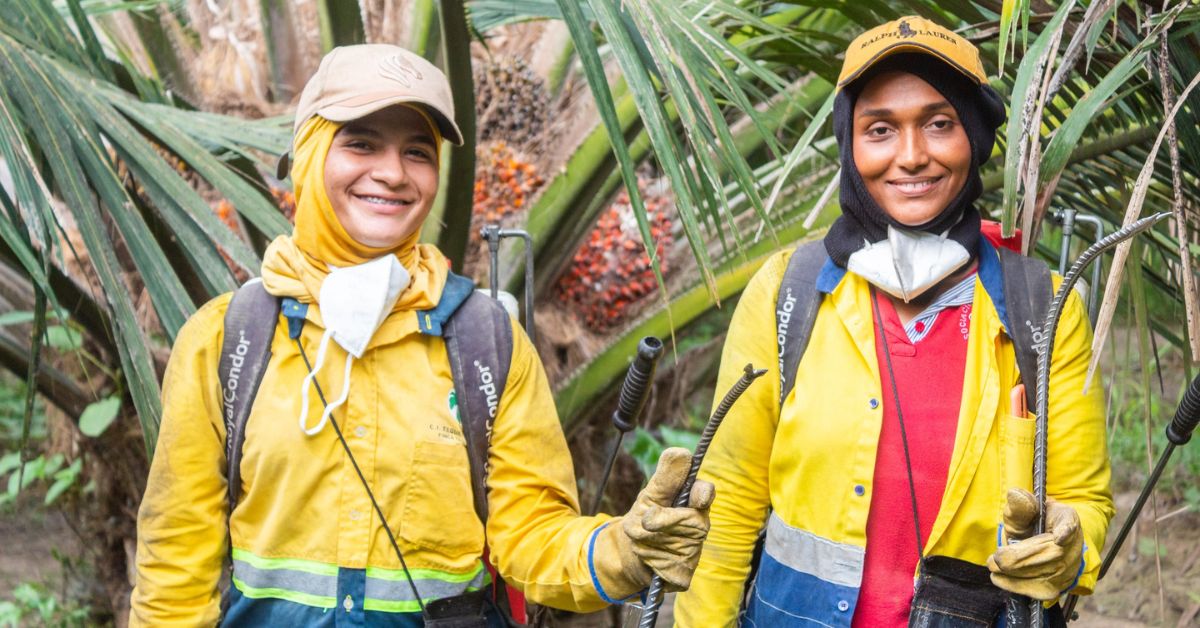
Two women working together in sustainable palm oil plantation promoting gender inclusion
How Do RSPO Standards Advance Gender Inclusion in Palm Oil?
What Is the RSPO Framework for Gender Equality?
The Roundtable on Sustainable Palm Oil (RSPO) sets the global benchmark for ethical sourcing. Recently, the organization released specific practical guidance anchored in the 2018 RSPO Principles and Criteria (P&C) and the 2019 Independent Smallholder (ISH) Standard to embed gender equity into compliance frameworks.
This approach proves that RSPO gender compliance is about driving real systemic change. The standards mandate equal remuneration for work of equal value and strictly prohibit any form of discrimination. They also protect maternal health by ensuring pregnant and breastfeeding women receive alternative, safe employment away from chemical spraying.
However, true gender inclusion in palm oil requires looking beyond the plantation borders. The RSPO encourages a major shift from passive rule-following to proactive community engagement. This means actively including women in local land-use planning and ensuring they have a voice in community investment decisions. This commitment is reflected in Daabon’s 15 years of RSPO certification.
Why Is Championing Female Leadership Crucial for Agribusiness?
Excluding women from management is not just unfair. It is highly economically counterproductive for the entire palm oil industry. When you ignore half of your potential leadership talent, you limit operational growth and weaken your supply chain.
Women naturally possess strong nurturing and educational skills, making them highly effective at managing agricultural cooperatives and farmer institutions. Because of this, the industry is seeing a vital push for female representation in decision-making roles.
According to RSPO dialogues with the Indonesian Sustainable Palm Oil Farmers Forum (FORTASBI), when organizations prioritize female leadership and achieve up to 90 percent female management, they successfully educate cooperatives and foster deeper community development.
Leading networks now actively recruit female trainers to inspire local women in smallholder training programs. When you elevate women into these leadership positions and back them with trusted sustainability certifications, you foster deeper community development and secure a stronger, more reliable, and highly innovative supplier network for your business.
What Is the Daabon Blueprint for Empowering Women in Agribusiness?
How Is Daabon Integrating Women Across the Supply Chain?
The Daabon blueprint proves that true sustainability requires human equity. In 2021, the company adopted a comprehensive Corporate Gender Policy to guarantee equal opportunity and prioritize specialized training. According to Palm Today, this policy officially establishes objectives to facilitate training, ensure equal group access, and promote female entrepreneurship across the supply chain.
When you partner with suppliers who invest in their people, your entire supply chain grows stronger. Through its “Women’s University” initiative, Daabon harnesses the strong entrepreneurial spirit of local female leaders. The company recognized that women excel in the post-harvest phase of banana production due to their exceptional attention to quality.
The Women’s University, overseen by Apreza, provides seed capital, business management guidance, and leadership training. It elevates female workers and community members alike. This targeted inclusion builds a highly resilient local economy that secures long-term agricultural output.
How Does Inclusion Drive Innovation in the AMPO Initiative?
Empowering women directly drives product innovation and environmental success, as demonstrated by the development of American Palm Oil (AMPO). AMPO is a sustainable, non-GMO, and exceptionally high-yield alternative to standard vegetable oils.
AMPO produces 3 to 10 times more oil per acre than other seed oils, making it a highly efficient and climate-friendly solution for food manufacturing.
The success of AMPO relies heavily on inclusive agricultural practices. The hybrid AMPO trees require specialized hand pollination to thrive. This delicate task is one where women naturally excel. Today, as featured by the New Hope Network, women fill critical roles across Daabon’s palm oil operations. These roles include specialized pollination experts, scientists, field technicians, and executive leadership.
By engaging women in this specialized role, Daabon significantly enhanced crop yield and overall product quality. This initiative proves that gender diversity is a fundamental driver of agricultural innovation. When you choose ingredients developed through inclusive and sustainable practices, you directly elevate the quality, ethics, and sustainability of your own products.
What Is the Business Case for Inclusive Supply Chains?
How Does Gender Inclusion Drive Resilience and ROI?
Partnering with inclusive, gender-compliant suppliers delivers clear, tangible financial benefits for your business. It transforms ethical sourcing from a basic corporate responsibility requirement into a powerful risk mitigation strategy. When you source from empowered agricultural networks, you secure a highly reliable and consistent product flow.
To understand the financial impact, we can look at the framework supported by the International Finance Corporation (IFC) and the RSPO’s Gender Inclusion Guidance. According to these industry benchmarks, the business case for women’s economic empowerment rests on four citable pillars:
- Risk Management: Mitigates operational disruptions and protects brand reputation through proactive due diligence.
- Cost Reduction: Lowers employee turnover and absenteeism, securing a more stable future of palm production.
- Value Creation: Improves harvest quality and boosts overall agricultural productivity.
- Growth: Unlocks access to premium, sustainability-focused markets and conscious investors.
Female empowerment directly enhances climate resilience across your entire supply chain. Research consistently shows that women excel in resource management and community-level adaptation strategies. By elevating women in sustainable agriculture, suppliers build regenerative agriculture systems that can successfully withstand environmental shocks and maintain steady yields.
This operational stability directly protects your return on investment. Furthermore, ethical sourcing driven by empowered women significantly strengthens your brand’s ESG profile. Today’s conscious consumers demand radical transparency and actively reward companies that champion human equity.
Choosing suppliers who invest in women gives your brand a powerful, verifiable narrative. It builds deep consumer trust and elevates your market positioning. This is exactly why choosing sustainable palm oil is critical for modern brands.
Integrating gender equity into your procurement strategy is not just a moral checkbox. It is a strategic business advantage that guarantees long-term commercial success and operational resilience.
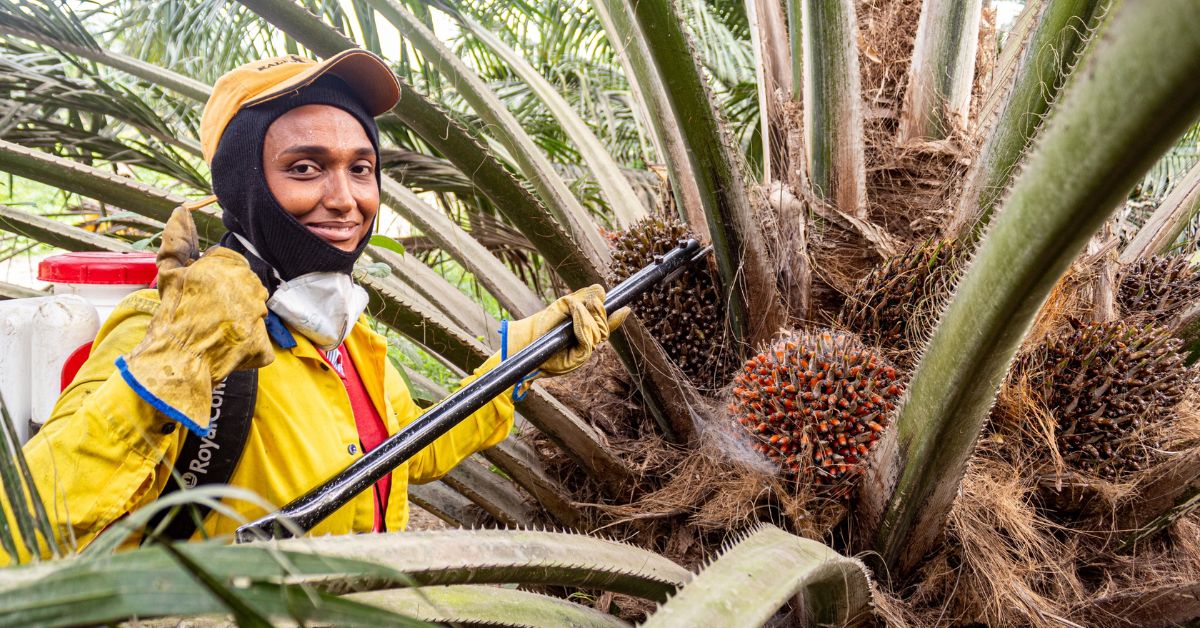
Female agricultural worker harvesting palm fruit in sustainable AMPO production
Why Is Empowering Women the Ultimate Standard in Sustainable Agriculture?
Gender inclusion is no longer an optional sustainability metric or an afterthought. It is a foundational pillar of modern, resilient agriculture. International frameworks from the RSPO clearly set the standard for equity, while industry leaders like Daabon prove its real-world success.
In summary, closing the agricultural gender gap transforms your entire operation from the soil to the shelf. Empowering women in sustainable agriculture drives critical environmental innovation and ensures long-term supply chain stability. It elevates global market standards and creates a much stronger, climate-resilient future for the palm oil industry.
You have the power to drive this vital change through your procurement decisions. Take the time to rigorously evaluate the corporate gender policies of your agricultural suppliers. Actively choose supply chain partners who deeply invest in women’s economic empowerment by reviewing the Daabon Company Profile. By making gender equity a core purchasing requirement, you secure high-quality ingredients while championing a truly sustainable global food system.
Ready to build a more resilient, inclusive supply chain? Contact us today to learn more about our sustainable palm oil solutions.