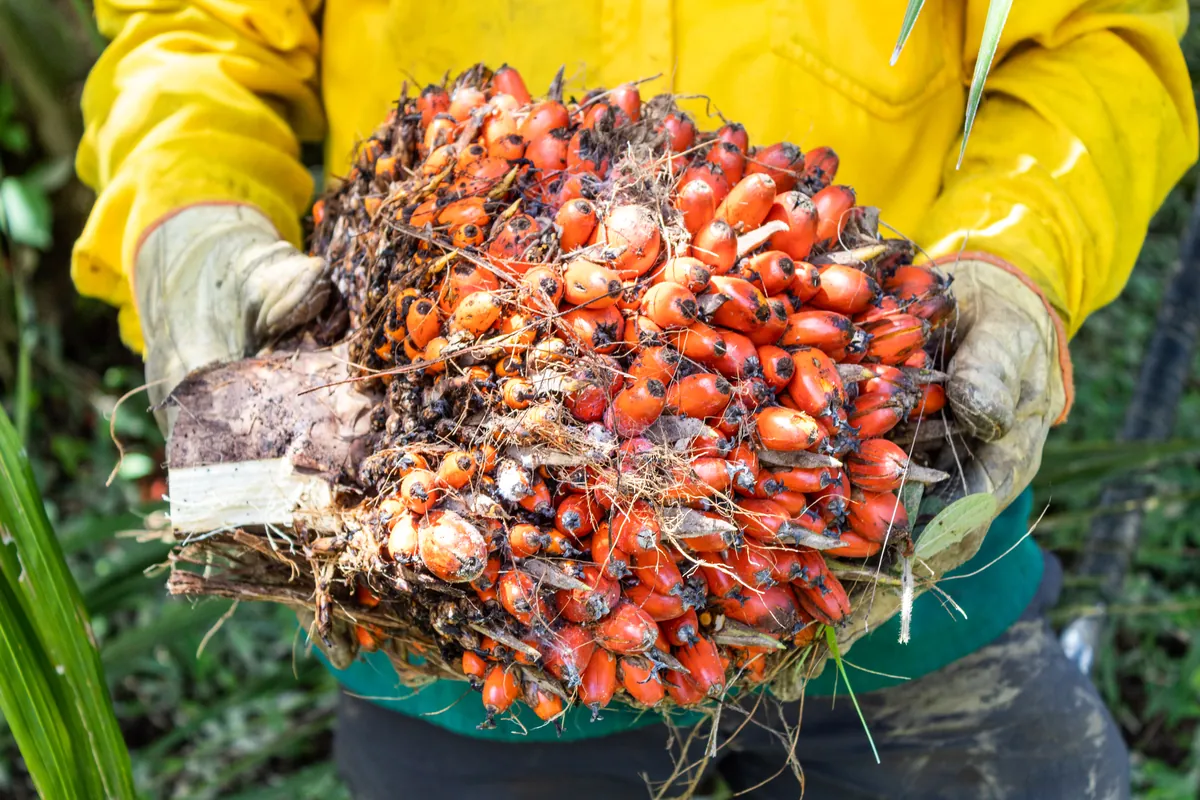
Regenerative organic palm oil is palm oil certified to the Regenerative Organic Certified® (ROC™) standard. ROC uses USDA Organic as its baseline, then adds requirements for soil health, animal welfare, and fair treatment of farmers and workers. It does not replace organic. It is organic, plus outcomes an auditor checks.
The word “regenerative” now shows up on spec sheets, supplier decks, and sustainability reports. It does not always mean the same thing. Sometimes it describes a handful of farming practices. Sometimes it points to a full certification, with its own audits and its own label rules.
For your brand, that gap matters. A certification you can verify can go on your label and into your ESG report. A loose description cannot.
This guide compares regenerative organic and organic palm oil, answers whether ROC is actually better, and explains what your supply chain has to do for an ROC claim to hold up on your own product.
The short version: the certification only counts if your supplier keeps the oil separate, from the farm all the way to final processing.
What Is Regenerative Organic Palm Oil?
Regenerative organic certified palm oil comes from plantations audited to the ROC standard. To understand what that label promises, start with what it is built on.
Organic Is the Baseline, Not the Alternative
ROC does not compete with USDA Organic. It sits on top of it. A farm must already meet USDA Organic, or an approved international equivalent, before it can apply for ROC.
From there, ROC adds three pillars:
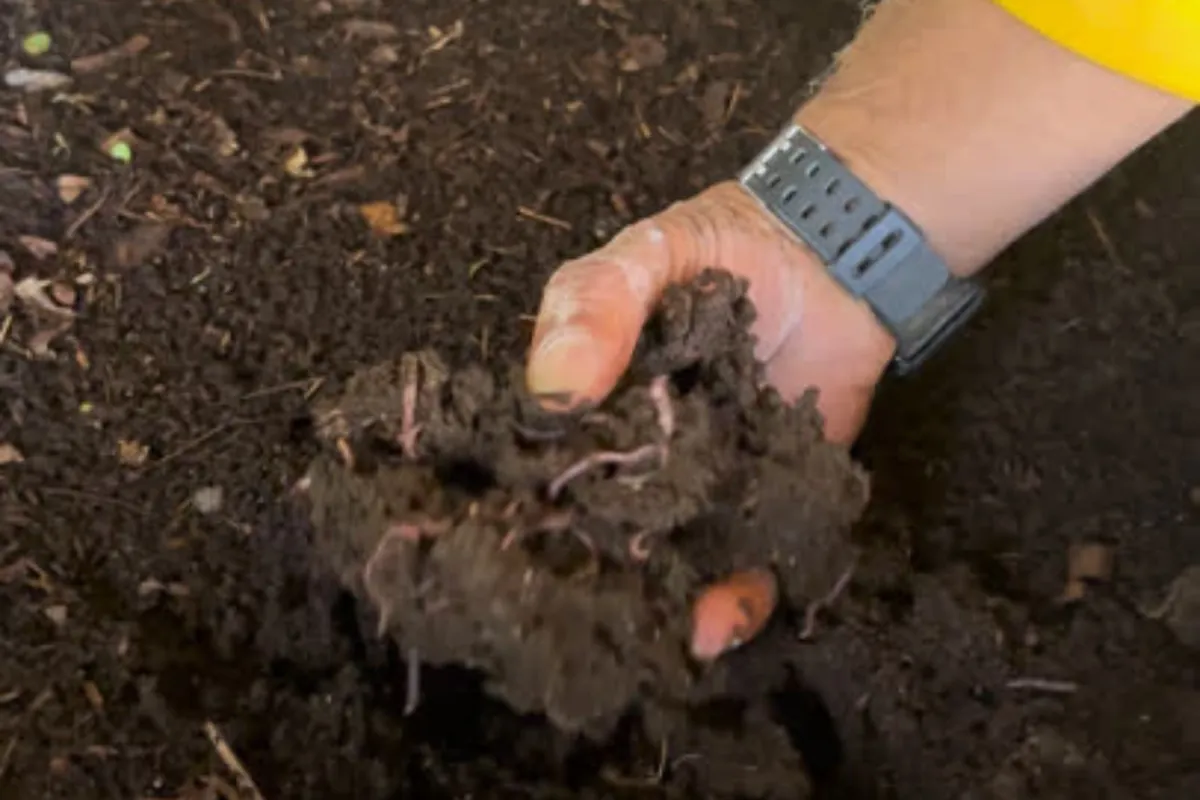
- Soil health: active practices like cover crops, crop rotation, compost, and reduced tillage, with no synthetic inputs.
- Animal welfare: pasture access and humane care wherever animals are part of the farm.
- Social fairness: fair pay and living wages, safe working conditions, and the right of farmers and workers to organize.
Rodale Institute developed the standard together with Patagonia and Dr. Bronner’s. Their goal was to stop “regenerative” from becoming a word anyone could use.
“Regenerative” on Its Own Is Not a Certification
A regenerative practice is not the same as a regenerative system. Rodale Institute draws this line directly. A conventional farm can plant cover crops or cut back on tillage, and its soil may improve. But if it still relies on synthetic pesticides and fertilizers, it does not qualify as regenerative organic under ROC.
For your brand, this is the line between a marketing word and a verifiable claim. “Regeneratively grown” on a supplier deck may mean one good practice. ROC means a certified organic farm, audited against all three pillars.
What Regenerative Looks Like on a Palm Plantation
On a palm plantation, the soil pillar is where most of the work shows. DAABON’s plantations, for example, keep the ground permanently covered with cover crops and recycled plant waste from palm production. They return compost and biomass to the soil to build its carbon content. Pests are managed with biological controls instead of pesticides.
The work extends past the soil, too: protected wildlife corridors and native vegetation, restored buffer zones along rivers at its primary organic farms, and regular testing of the soil’s physical, chemical, and biological health.
Regenerative Organic vs Organic: Is ROC Better Than Organic?
Since ROC builds on organic, the real question is what the extra layer adds. Here is how the two standards compare.
| Requirement | USDA Organic | Regenerative Organic Certified® |
|---|---|---|
| Synthetic fertilizers and pesticides | Most prohibited | Same as organic (organic is the baseline) |
| GMOs | Prohibited | Prohibited |
| Soil health | Organic practices required, but no check that soil improves | Required: cover crops, rotation, compost, reduced tillage |
| Farmer and worker fairness | Not covered | Required: living wages, safe conditions, freedom of association |
| Animal welfare | Basic requirements | Stricter: pasture access, no factory feedlots |
| Chain of custody | Organic product kept separate from non-organic | Also kept separate from plain organic product, and by ROC level |
| Who sets the standard | USDA National Organic Program (NOP) | Regenerative Organic Alliance (ROA) |
The Honest Answer
Not everyone agrees ROC is needed. The Organic Farming Research Foundation (OFRF) argues that organic already is regenerative. Organic farming shares the same goals, and unlike “regenerative,” it has a clear legal definition you can verify.
The Noble Research Institute sees a gap. Organic is a set of rules about what a farm can and cannot use. The organic label cannot tell you whether the land is actually getting healthier.
Both points hold. ROC’s job is to certify what organic leaves to good intentions: active soil building, and the fair treatment of the people who farm the land, which USDA Organic does not address.
So is regenerative organic certified better than organic? It depends on what your brand needs to prove. If your claim is “no synthetic inputs,” organic covers it. If your claim includes soil regeneration or fair labor, ROC is the standard that verifies it.
What It Takes to Put an ROC Claim on Your Product
This is where many ROC claims succeed or fail. A certified farm is only the start. The claim on your label also depends on how the oil travels to you.
The Chain-of-Custody Rules
The Regenerative Organic Alliance’s licensing terms set the rules. Four of them matter most for a palm oil buyer:
- It must be organic on paper, too. ROC product must hold current USDA Organic certification, or an approved equivalent, and appear as its own product on the organic certificate.
- It must stay separate. ROC oil cannot be mixed with plain organic oil, or with ROC oil from another source, before it reaches the final processing facility.
- Mixing levels lowers the claim. ROC comes in Bronze, Silver, and Gold. Blend Gold oil with Bronze oil, and the whole batch can only be sold as Bronze.
- The label needs approval first. Brands must send labels and marketing to the ROA at least 30 days before printing or selling. No seal is allowed while certification is still pending.
The ROA also warns that certification levels can change from year to year. Plan your packaging runs with that in mind.
Questions to Ask Your Palm Oil Supplier
Before you build a product claim around ROC, ask your supplier:
- Which ROC level does your oil hold, and when was it last audited?
- Is the ROC product listed separately on your organic certificate?
- How do you keep ROC oil separate during transport, storage, and refining?
- Do you blend oil from other sources or other ROC levels?
A supplier who controls the oil from plantation to refinery can answer all four with documents.
DAABON’s ROC Gold Palm Oil
DAABON Group was the first palm oil producer to earn organic certification. It has since become the first palm oil producer in the world to achieve Gold level for Regenerative Organic Certified™.
Today, approximately 12,645 hectares of DAABON’s palm farms meet the ROC Gold standard. That oil sits within a full certification stack: USDA Organic, RSPO, Fair Trade USA, Non-GMO, and ROC.
The supply chain matters as much as the seal. DAABON is family owned since 1914 and vertically integrated, from seed to refinery. Because it controls each step, it can document how ROC oil is kept separate, which is exactly what the claim rules above require.
Frequently Asked Questions
Is regenerative organic certified better than organic?
It verifies more. ROC includes everything USDA Organic requires, then adds audited standards for soil health, animal welfare, and fair treatment of farmers and workers. Organic alone covers what a farm cannot use, not whether its soil or its workers are better off.
What does it mean to be regenerative organic certified?
It means a farm already holds USDA Organic certification, or an approved equivalent, and has passed an audit for ROC’s three pillars: soil health, animal welfare, and social fairness. Products then carry the ROC seal at the Bronze, Silver, or Gold level.
Can conventional palm oil be regenerative?
A conventional plantation can use regenerative practices, such as cover crops. It cannot be Regenerative Organic Certified, because ROC requires organic certification first.
What are the ROC certification levels?
ROC has three levels: Bronze, Silver, and Gold. Gold is the highest. If oils from different levels are blended, the product can only claim the lowest level in the mix.
Conclusion: Organic Sets the Floor, ROC Verifies What’s Built on It
Regenerative organic palm oil is not a rival to organic. Every ROC farm starts as an organic farm. What ROC adds is proof: audited soil building, fair treatment of the people doing the work, and a clear standard behind a word that is otherwise easy to misuse.
The certification is also only as strong as the supply chain behind it. The oil has to stay separate, the level has to stay intact, and your label has to clear review before it prints.
So before you put “regenerative” on a product, ask for the paperwork. If you are sourcing ROC palm oil, DAABON can share its certificates and walk you through how its oil is kept separate. Request ROC documentation or a sample to get started.